

Step back in time with us as we take a nostalgic journey through automotive history and explore why classic cars continue to hold a special place in our hearts. From the sleek lines of vintage models to the timeless allure of iconic designs, discover why these treasures from the past trump their modern counterparts in more ways than one. Join us as we delve into the reasons behind our enduring love affair with classic cars and celebrate the craftsmanship, style, and nostalgia that make them truly unforgettable.
Classic cars are revered for their timeless aesthetics and iconic designs. From the sleek curves of a vintage sports car to the elegant lines of a mid-century luxury sedan, classic cars often showcase a level of craftsmanship and artistry that transcends time. The enduring beauty of classic automobiles adds a touch of nostalgia and elegance that many find unmatched in the often streamlined and mass-produced designs of modern cars. With people like Alex Manos forming classic car clubs, it’s evident that the timeless aesthetics of classic cars will continue to be appreciated for generations to come.

Classic cars are more than vehicles; they are rolling testaments of automotive history. Each classic car has a unique story, reflecting the era in which it was produced and the advancements in automotive technology at the time. Owning a classic vehicle allows enthusiasts to be custodians of automotive history, preserving and celebrating the craftsmanship and engineering milestones that have shaped the industry.
Classic cars are often celebrated for their simplicity in design and ease of maintenance. With fewer electronic components and computerized systems, classic cars offer a mechanical charm that appeals to DIY enthusiasts. Owners can work on their cars, understand the intricacies of the engine, and carry out maintenance without the need for specialized computer diagnostics. This hands-on approach fosters a deeper connection between the owner and the vehicle.
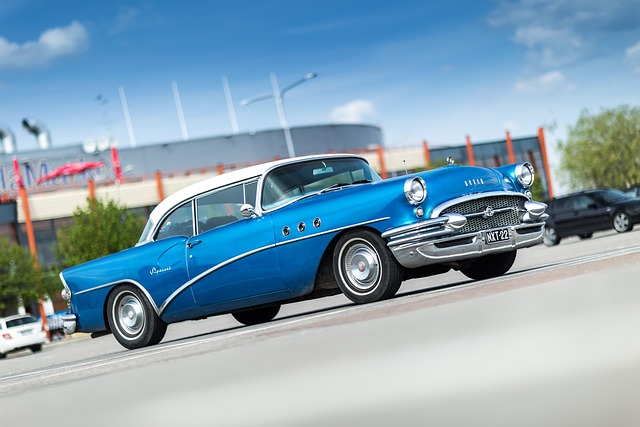
Many classic cars were produced in limited quantities, contributing to their rarity and exclusivity. Owning a classic car means being part of an exclusive club of enthusiasts who share a passion for these unique and sometimes hard-to-find vehicles. The limited production runs of classic cars contribute to their desirability and can make them valuable assets for collectors.
Classic cars provide ample opportunities for customization and personalization. Enthusiasts can modify and restore classic cars to reflect their individual tastes and preferences, from paint colors and interior finishes to performance upgrades. This ability to tailor a classic car to one’s liking adds a level of personalization often limited in modern automobiles, where advanced technologies and integrated systems can restrict extensive modifications..
Classic cars offer a distinct driving experience that connects the driver to the road in a way that modern cars often don’t. With manual transmissions, responsive steering, and a more direct connection between the driver and the mechanical components, classic cars emphasize the art of driving. Many enthusiasts argue that the driving experience in a classic car is more engaging, requiring skill and attention that is often diminished in the era of automated driving aids. While modern cars undoubtedly boast advanced technologies, safety features, and efficiency, classic cars hold a unique appeal that goes beyond practical considerations. Their timeless aesthetics, historical significance, simplicity and ease of maintenance, limited production and rarity, customization opportunities, and connection to the driving experience make classic cars stand out in the automotive landscape.